
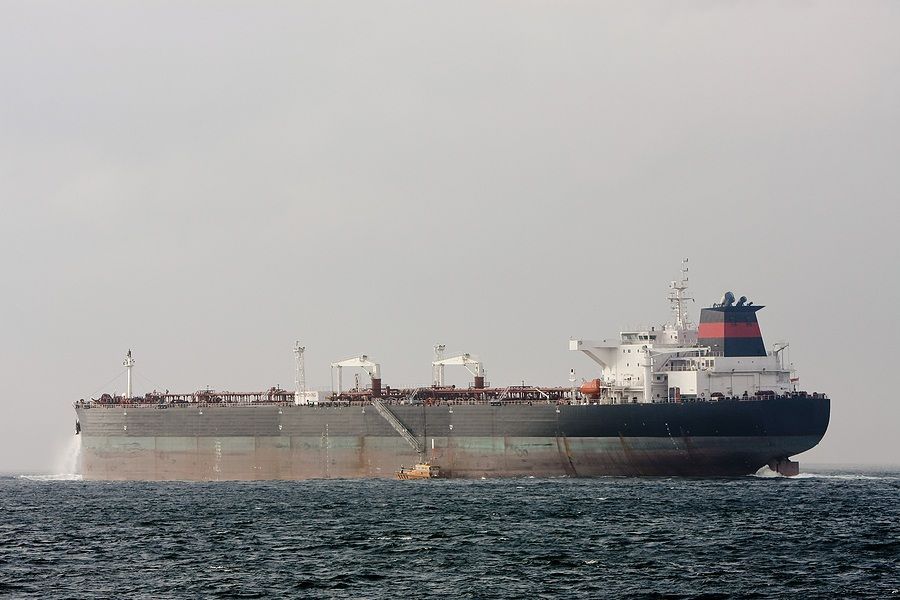
Geopolitical instability in the Middle East often raises concerns for investors. Whether it's regional products, markets tend to react promptly and can fluctuate, oil imports, or even political unrest and the U.S. position, there can be direct and indirect influences on an investment portfolio. Past performance is not a guarantee of future results and that geopolitical events are unpredictable and may not result in the expected market moments.
Here we examine what's at stake as the war continues.
Middle East products
The global economy is intertwined with the Middle East. The region is rich in natural resources and offers a wide array of products:
· Oil: Middle Eastern countries such as Saudi Arabia, Iraq, the UAE, and Iran are among the world's largest oil producers.
· Gas: Qatar is one of the world's largest exporters of liquefied natural gas (LNG).
· Minerals: The region also exports phosphate, gold, and copper.
How a portfolio reacts depends on the exposure to these sectors. If the portfolio contains significant energy investments, instability in the Middle East can lead to volatility.
Global markets tend to react promptly to geopolitical events and can fluctuate in response to news from the Middle East.
Oil imports
Oil is often called the lifeblood of the global economy, and the Middle East holds a significant share of the world's oil reserves. Any disruption in the region can raise oil prices worldwide amid fears of supply disruptions.
Countries heavily reliant on oil imports, such as China, and India, are particularly vulnerable to price spikes. This disruption may lead to higher production costs for companies, potentially impacting earnings and, ultimately, stock prices.
Political unrest and the U.S. position
The geostrategic importance of the Middle East means that the U.S. and other global powers have an interest in the region's stability:
· Iran's nuclear program
· Relations with other Middle East countries
· The Israeli-Palestinian conflict
These scenarios may lead to heightened tensions or to their easing and can have implications for global markets and, by extension, individual portfolios.
Why a portfolio review may make sense now.
Ongoing geopolitical instability in the Middle East can affect an investment portfolio. The severity of the impact largely depends on the portfolio's specific investments, their exposure to the region's products, market reactions, and the state of oil imports.
While it's challenging to predict the outcomes of geopolitical events, ongoing portfolio management can help you stay aligned with your goals through periods of uncertainty. Consider reviewing your portfolio with a financial professional to understand how your holdings may be exposed to geopolitical risk in the Middle East.