
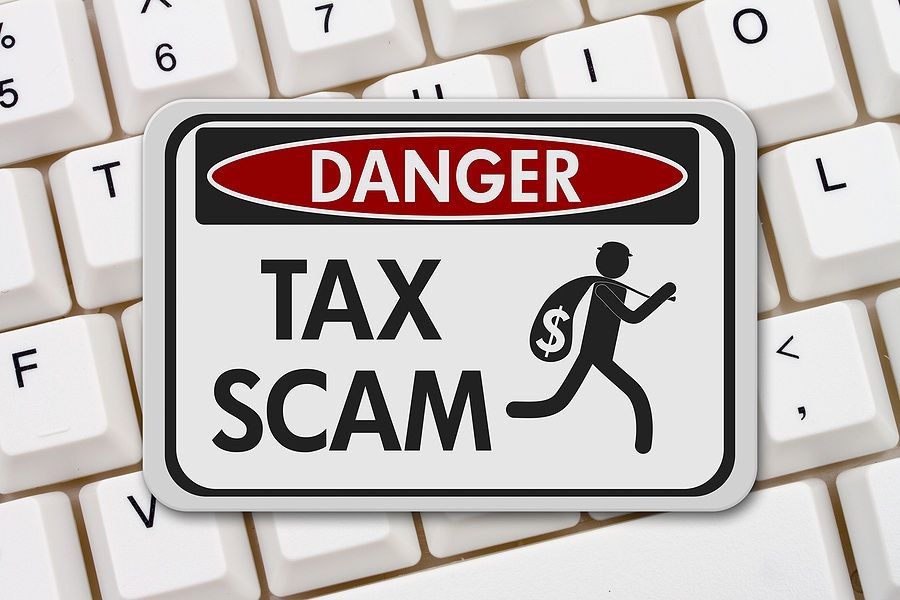
As tax season approaches, so does a surge in scam activity. It is essential to recognize why this period has become a hunting ground for fraudsters.
Tax season sees a high volume of confidential financial information between individuals and tax authorities. This scenario presents a golden opportunity for fraudsters to exploit this process.
Scammers often use sophisticated methods to impersonate tax authorities or financial institutions to steal people's hard-earned money. Key factors contributing to the increase in tax scams include:
· Opportunity - The tax season offers an enormous pool of potential victims. Millions of businesses and individuals file their returns during this period.
· Data accumulation - A lot of personal and financial data is shared during this time, giving fraudsters access to information they can use for deceptive purposes.
· Taxpayer stress - The complexity and pressure of tax filing often push taxpayers to seek help, making them easy targets for scam artists offering fraudulent tax services.
Common tax season scams
There are several types of tax season scams, but some of the most common include:
· Phishing scams - Scammers send emails or text messages that appear to be from the tax authority or a reputable tax software company. Clicking links to download files may install malware on the device, giving scammers access to one's personal information.
· Telephone tax scams - Fraudsters call victims, posing as the tax authority. They threaten with penalties, arrest, or deportation unless the victim pays alleged tax debts immediately. Remember that the IRS doesn't contact individuals by phone; it uses written communication via the U.S. Postal Service.
· Tax preparer fraud - Some dishonest tax preparers use fraudulent tactics to inflate personal refunds or steal personal information.
· Identity theft - Scammers file fraudulent tax returns using the victim's stolen Social Security Number and other personal information.
How to protect yourself
To guard against tax season scams, here are some crucial steps to take:
· Be cautious of communication - Exercise caution with any unexpected communication from a tax agency. Genuine tax authorities do not solicit personal or financial information via email or text message.
· Verify tax preparers - Before hiring a tax preparer, check their qualifications and history with the Better Business Bureau. Ensure they have a Preparer Tax Identification Number (PTIN).
IRS Directory of Federal Tax Return Preparers
· Protect personal information - Never share sensitive information (such as a Social Security number) over the phone unless you initiate contact and are sure of the recipient's identity.
· Use secure networks - When filing taxes online, use a secure network and avoid public Wi-Fi.
· Monitor accounts - Regularly check bank and other financial accounts for any unusual activity. Reviewing accounts as part of an ongoing financial plan can help you notice changes sooner.
· File early - The earlier a tax return is submitted, the less time a scammer has to file a fraudulent one. Starting your tax planning early in the year also leaves more time to spot problems.
By understanding why tax season is ripe for scams, recognizing common ones, and implementing protective measures, it's possible to reduce the risk of falling victim to them. For help coordinating taxes within your broader retirement strategy, learn more about our tax planning services.