
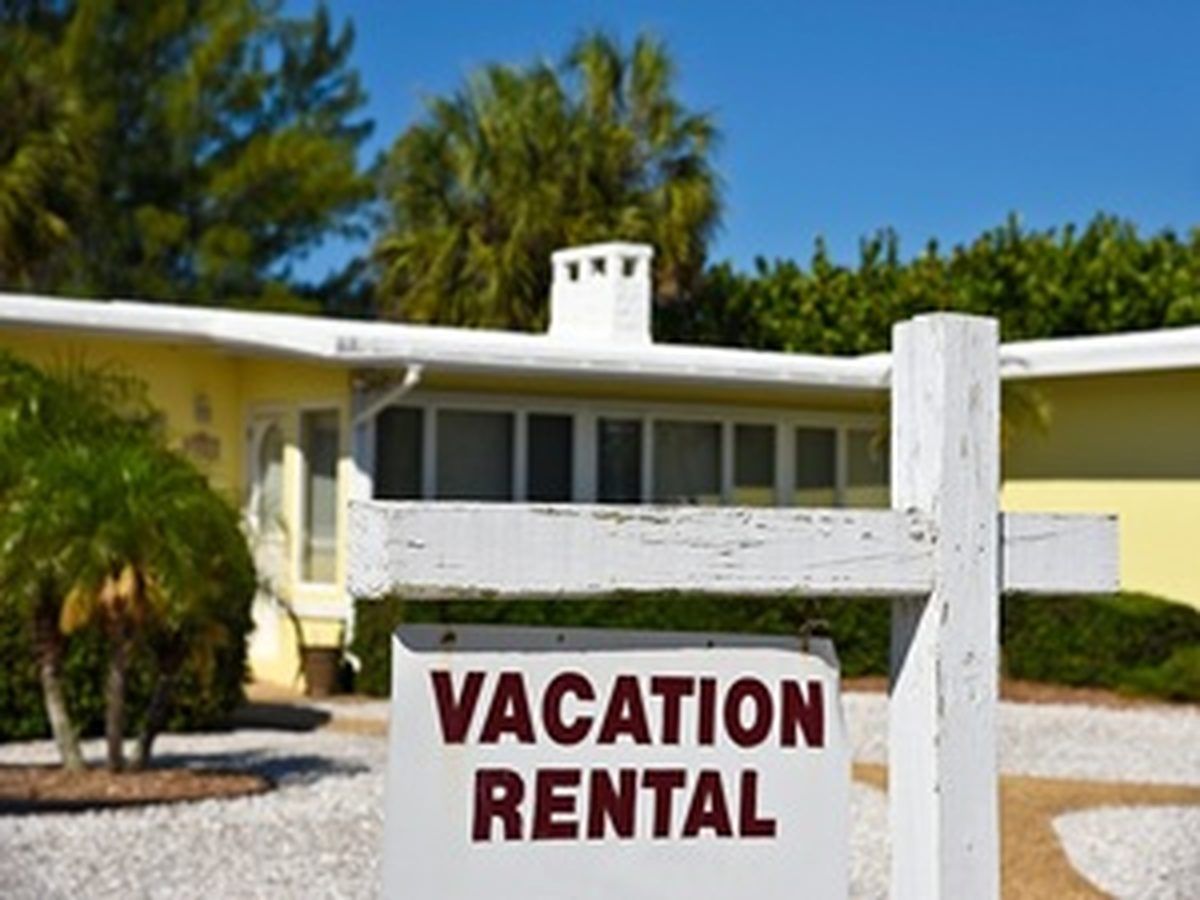
As travelers seek flexible travel options, the market for investing in short-term rental ownership has grown. The flexibility to use the property for personal use during off-peak seasons and the potential to generate rental income during peak periods make these properties attractive to investors.
There are two distinct clientele that seek these specific rental property types:
- Short-term rental – Typically rented to individuals or groups of individuals with travel positions, such as healthcare or construction, for a set period. The rental period may span months but is under a year.
- Vacation rental – Rented to individuals on vacation; timeline varies but is typically less than one month.
Additionally, online rental platforms make it easy for investors by enabling clients to book, screen, collect deposits, and accept guest payments electronically. Some of the more well-known platforms include:
- VRBO (Vacation Rental by Owner) – Specializes in entire-home rentals, providing a platform for homeowners to list their properties and manage bookings. Its inventory includes coastal condos, cabin rentals, and beach houses, among others.
- Airbnb – In addition to entire-home rentals, condos, and apartments, it includes arrangements where the homeowner may be present during the guest's stay (hostel or room rental).
- Furnished Finder – Specializes in monthly furnished rentals for corporate travelers, travel nurses, relocating families, and more. These properties may include apartments, homes, or other short-term housing options.
Other platforms, such as Booking.com, HomeAway, FlipKey, and TripAdvisor Rentals, also offer similar services for property owners and guests.
Considerations before purchasing a rental property
Before investing in a short-term or vacation rental property, it's essential to evaluate key factors, including the local market, maintenance costs, and other considerations.
Taxes – Rental income is typically subject to tax. However, expenses related to the property's upkeep, improvements, and management are often deductible, reducing overall tax liability. It's essential to consult a tax professional to understand the nuances, including the potential to leverage tax advantages such as depreciation.
Sales and lodging taxes may apply, and some municipalities collect both. The investor must understand which taxes apply at the time of rental and when they are due.
Additionally, tax obligations may differ depending on whether the property is classified as a personal residence or a rental property, which in turn depends on the number of days it's rented out versus used for personal purposes.
Insurance – Standard homeowners' insurance policies may not provide adequate coverage for risks associated with renting property to guests. Specialized vacation rental insurance policies can cover property damage, liability claims, and even loss of rental income in specific scenarios.
Investors should consider working with an insurance professional and carefully review policy options to understand the coverage levels and exclusions based on the property's type.
Regulation: City, county, state – Certain jurisdictions may have zoning laws that restrict the use of residential properties for commercial purposes. Other locations may require obtaining a business license and having the property inspected to ensure compliance with safety standards.
A realtor, city, or county administrator may be a reliable source of information about rental properties in their area. It's essential to understand how a rental property will be affected before purchasing it.
Timeline for profitability – Investors must work with financial and real estate professionals to conduct thorough research and perform profit-and-loss modeling to understand potential returns and the timeline to profitability.
Remember, there are always pros and cons to owning a short-term or vacation rental property.
Pros:
- High income potential – Vacation rentals often command higher rents than long-term rentals.
- Flexibility – Owners can block out dates for their personal use.
- Tax benefits – Certain expenses, such as mortgage interest, property taxes, and maintenance costs, may be deductible.
Cons:
- Management-intensive – Owners or their management company are responsible for booking, cleaning, check-in, and check-out, all of which incur costs.
- Seasonality – Income might be inconsistent due to seasonal demand fluctuations.
- Regulatory environment – Potentially strict, constantly changing regulations can affect the investment's feasibility.
Hidden costs
Beyond the purchase price, there are several hidden costs to consider with vacation rental properties, which can add up:
- Furnishing costs – Vacation rentals need to be fully furnished, unlike long-term rentals.
- Utility and other bills – Unlike long-term rentals, owners are typically responsible for all utilities and related expenses, including internet and streaming services.
- Property management – This cost arises when using a local rental company or an online platform like Airbnb to manage bookings.
- Maintenance and repairs – Regular 'wear and tear' may be higher due to frequent guest rotation.
- Marketing – Investment in professional photos, property descriptions, or paid advertising may be required to market the property.
Investing in short-term rentals and vacation properties can be a profitable venture. However, it's essential to understand the market dynamics, tax implications, profitability timeline, regulations, and insurance considerations. By consulting with financial and real estate professionals, investors can make informed decisions and work toward maximizing their return on investment.