
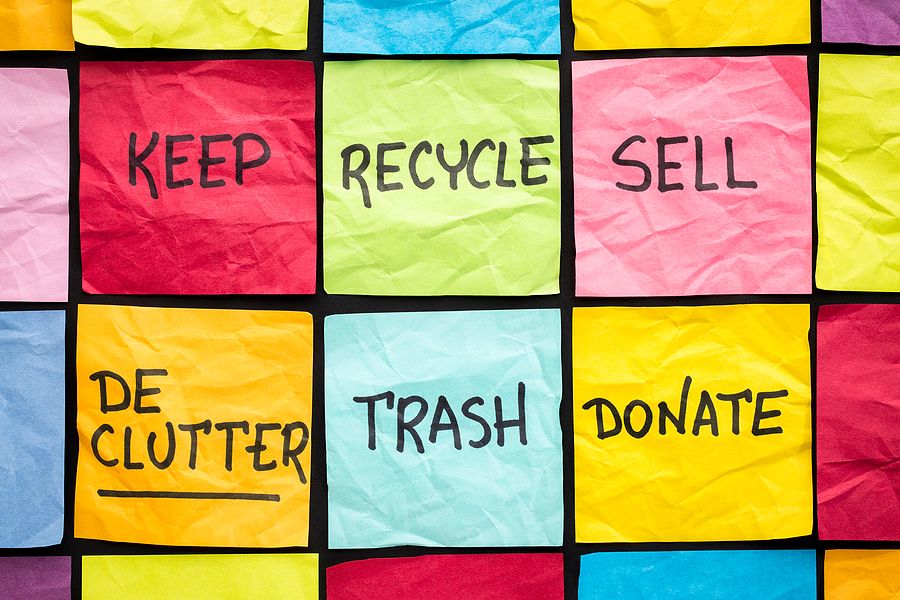
Shifting demographics and evolving lifestyle choices are driving the trend of downsizing and 'unstuffing,' or shedding material possessions. Some desire a smaller, more manageable home before retiring. For others, changing family dynamics have them opting for smaller homes, either due to smaller families or a lack of children. With these scenarios, decluttering and getting rid of 'stuff' go hand in hand with downsizing to a smaller home.
Still, others have come to realize that years of accumulated possessions have become an overwhelming burden. Letting go of items no longer used or taking up space provides a sense of relief and freedom, making life more manageable.
Psychological and lifestyle benefits of 'unstuffing'
· Stress and mental clarity: Physical clutter can lead to mental clutter, and owning fewer things can create a sense of calm and reduce stress.
· Focus on experiences: Some people are shifting their priorities from accumulating possessions to accumulating memories and experiences, which they see as more valuable in the long run.
· More intentionality and time: Minimalism can help manage time more wisely by spending less time cleaning, organizing, and shopping for unnecessary items.
· Reduced financial burden: Adopting minimalist habits can lead to significant savings. This may be especially appealing during times of economic uncertainty.
Financial health and minimalism
Maintaining a large house can be an unnecessary drain on one's financial health. Costs related to housing, including utility bills, property taxes, and maintenance expenses, can account for a substantial portion of a retiree's budget.
For some, a larger square footage provides a larger space that one may feel inclined to fill with possessions or rooms primarily used for storing items.
Embracing minimalism and decluttering by selling unwanted items through garage sales or online platforms can be a rewarding experience for those seeking to recoup some of the money spent.
Passing on assets vs. 'stuff' to heirs
When planning to leave assets to heirs, it's crucial to consider the kind of legacy one wants to leave behind. Passing on financial assets, such as savings and investment accounts, stocks, or property, may be more beneficial for the heirs' financial independence than leaving them with material possessions. Tangible items may have sentimental value, but they can also become a burden for heirs to store or maintain.
Moreover, handling a loved one's possessions after their death can be emotionally challenging. Decluttering and organizing assets, as well as leaving clear directives, can spare heirs the time-consuming and often stressful process of sorting through a lifetime's worth of belongings.
The reward of giving away
One man's trash is indeed another man's treasure. Decluttering doesn't just benefit you - it can also provide essential items to those who need them most. Countless organizations and charities accept a wide range of items as donations. Some donations may be tax-deductible at tax time, provided an official receipt from the IRS-registered non-profit organization is obtained. Here are some places to consider:
· Habitat for Humanity - furniture and appliances in working condition, and construction materials.
· Salvation Army – clothes, household items, furniture
· Public libraries - books
· Shelters – personal care items, household items, clothing
· Animal shelters – pet food, pet care items, towels, bedding
After all, embracing a minimalist lifestyle may lead to a more enjoyable life with less 'stuff' to worry about.