
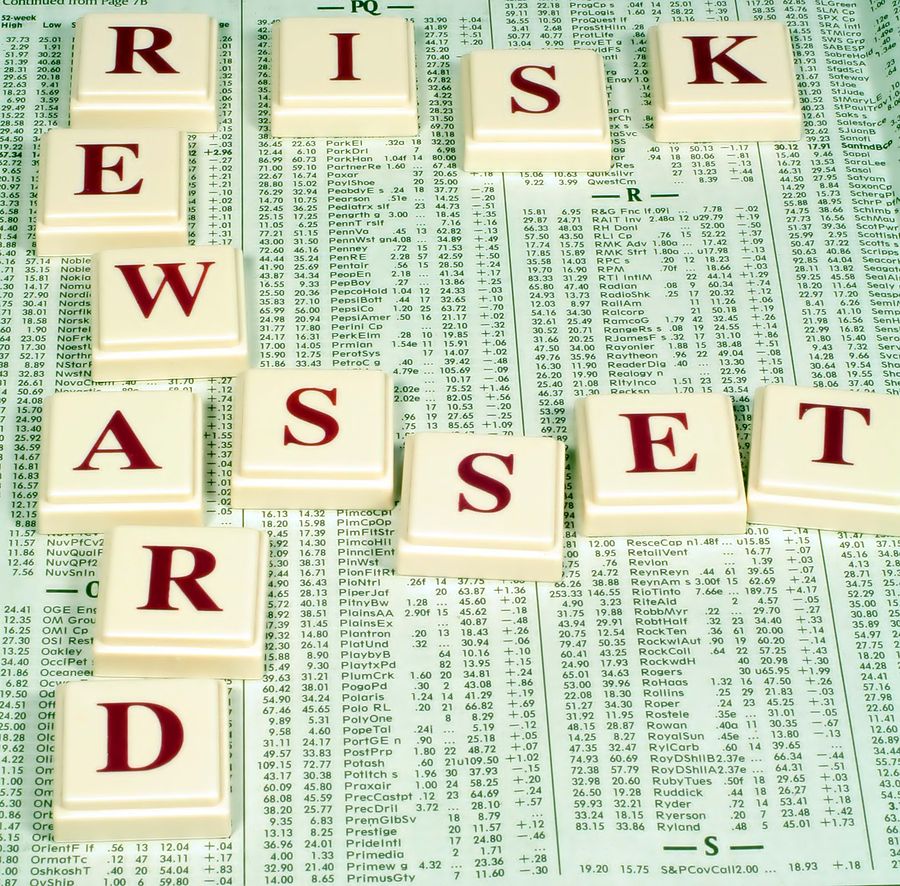
At its core, investment risk is the probability or likelihood of losses relative to the expected return on an investment. In essence, it is the degree of uncertainty about the return on an investment.
It's important to understand that all investments carry some level of risk, and it is directly proportional to returns – the higher the potential returns, the higher the risk.
Types of Risk
There are several kinds of risk that investors must be aware of. Here are some of the more common ones:
- Market risk: The risk arising from fluctuations in the market. It is also known as systematic risk and affects all investments in the market.
- Credit risk: The risk that a debtor will not repay their loans, resulting in a loss for the investor.
- Liquidity risk: This risk arises when an investor cannot buy or sell investments quickly enough in the market without affecting the asset's value.
- Inflation risk: Also known as purchasing power risk, it is the potential for inflation to undermine an investment's returns through eroding its value.
Risk Analysis: The Process
Risk analysis is the process of identifying and assessing potential losses for investments. It involves quantitative and qualitative methods:
- Quantitative risk analysis: This kind of analysis involves numerical and statistical techniques to calculate risk. It includes investment data analysis, cash flow analysis, and probability distributions.
- Qualitative risk analysis: This type of analysis assesses risk based on experience, expert knowledge, and other non-numerical factors. It includes identifying potential risk sources, evaluating their impact, and creating strategies to manage them.
How Financial Professionals Assess Investment Risk
Investment risk analysis is employed to understand an investor's risk tolerance and, subsequently, to tailor the investment strategy. The primary step in this analytical process is risk assessment. During a risk assessment, investors complete questionnaires or interviews that aim to help determine:
- Their capacity to bear financial loss.
- Investment goals
- Time horizon for investing
- Overall comfort with different levels of risk.
Next, professionals consider the investor's financial position by evaluating:
- Financial health - Examine their income, net worth, existing investment portfolio, and liquidity needs to provide a clearer picture of the level of risk the investor can comfortably handle.
- Market conditions - Market conditions can significantly impact an investor's capacity or willingness to bear risk. For instance, during volatile market periods, even investors with a high tolerance for risk may want to adopt more conservative strategies.
- Age and investment time frame - Generally, younger investors can afford to take more risk because they have more time to recuperate from potential losses, making them suitable for long-term, high-risk investments.
After a risk analysis, financial professionals assign a tolerance:
- High Risk Tolerance (Aggressive): Investors are willing to accept the possibility of losing money in exchange for the potential of higher returns.
- Moderate Risk Tolerance (Balanced): Investors are ready for some losses, but they prefer a mix of small and large gains.
- Low Risk Tolerance (Conservative): Investors prefer lower returns to avoid potential losses.
It's essential to note that an investor's risk tolerance can change over time, due to personal circumstances, making continued risk analysis necessary. Risk analysis is crucial for investors for the following reasons:
- Objective decision-making - Risk analysis provides an objective way to assess the potential risks associated with an investment, helping avoid emotional or biased decisions.
- Risk mitigation - By identifying and understanding potential risks, investors can take steps to mitigate them, such as diversifying their portfolios, implementing stop-loss orders, or choosing investments that align with their risk tolerance. Diversification can be thought of as spreading your investment dollars into various asset classes to add balance to your portfolio. Although it doesn't guarantee a profit, it may be able to reduce the volatility of your portfolio.
- Profit maximization - A thorough risk analysis can help investors to increase profits and reduce losses. It provides insight into the potential downside of an investment, enabling investors and their financial professionals to anticipate and plan for possible losses.
- Increased confidence - With a clear understanding of the risks involved, investors may be more confident in their investment decisions, making the investment process less stressful.
Risk and investment performance are two sides of the same coin. As an investor, it's vital to understand the risks involved and how risk analysis can help make informed, strategic decisions. A comprehensive risk analysis can provide an investor with a clear picture of potential risks and the tools to mitigate them, and is designed to enhance their capacity to handle potential returns and losses.