
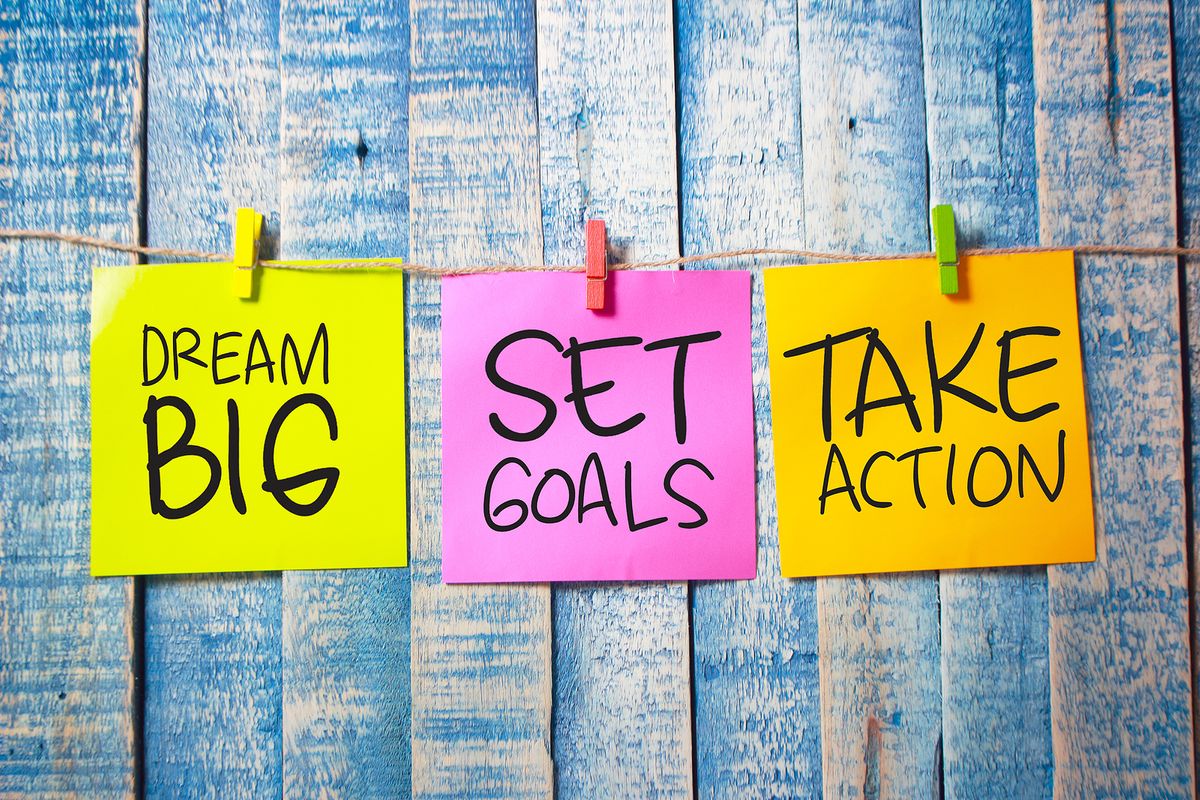
Focusing our attention on our goals is one of the most effective ways to work toward them. Whether a past goal was to lose weight, reduce debt, save more for retirement, or go on vacation debt-free, and didn't happen, one thing that can aid future outcomes is past reflection.
Past reflection refers to the process of introspection, assessment, and understanding of our past actions, decisions, and behaviors. It helps us to identify our strengths, weaknesses, and areas for improvement. More importantly, it provides actionable insights to help guide our future actions.
Harnessing the power of the past
Drawing on experiences and wisdom gained in the past can be transformative and catalytic in the following ways:
- Learning from mistakes: Our past is a rich resource of lessons. Every mistake we've made and every pitfall we've encountered has paved our way with valuable lessons. Reflecting on these can prevent us from repeating the same errors.
- Recognizing patterns: Reflecting on past experiences helps us identify patterns in our behavior and decision-making processes, which can contribute positively or negatively to our goals. Identifying these patterns allows us to amplify the beneficial behaviors and eliminate the detrimental ones.
- Harnessing strengths: Reflecting on past victories and successes allows us to recognize and acknowledge our strengths. Harnessing these strengths can accelerate our progress towards our goals.
- Highlighting growth areas: Past reflection also reveals areas where we need improvement. This awareness empowers us to work on these areas consciously and systematically, enhancing our abilities to reach our goals.
Applying reflection toward accomplishing goals
After taking time for past reflection, it's critical to take action to incorporate it into the goal process using the following actions.
- Set aside time: Dedicate a specific time to reflect on your past without interruption. This quiet introspection time will allow you to dive deep into your experiences.
- Write it down: Use a journal to document your reflections. Writing enhances clarity, making it easier to identify trends, patterns, and lessons.
- Ask pertinent questions: Guide your reflection with questions like "What did I learn from this experience?", "How can this learning aid in working toward my goals?", "What patterns am I noticing?", and "What strengths can I harness?".
- Take action: The goal of reflecting isn't just to understand your past better but to allow those understandings to guide your future actions. Create a plan of action based on your reflections and follow it diligently.
- Continual process: Reflection isn't a one-time task. Make it a routine to regularly review the past, draw conclusions, and adjust future actions accordingly.
In conclusion, using past reflection as a method to work toward goals helps bridge the gap between where we are and where we want to be by leveraging our past experiences. Treat the past as a helpful teacher to help guide you on the journey toward your goals.